Showing posts with label piktochart. Show all posts

Friday, March 17, 2017

DIgital Posters and Social Media Revolutions Then and Now

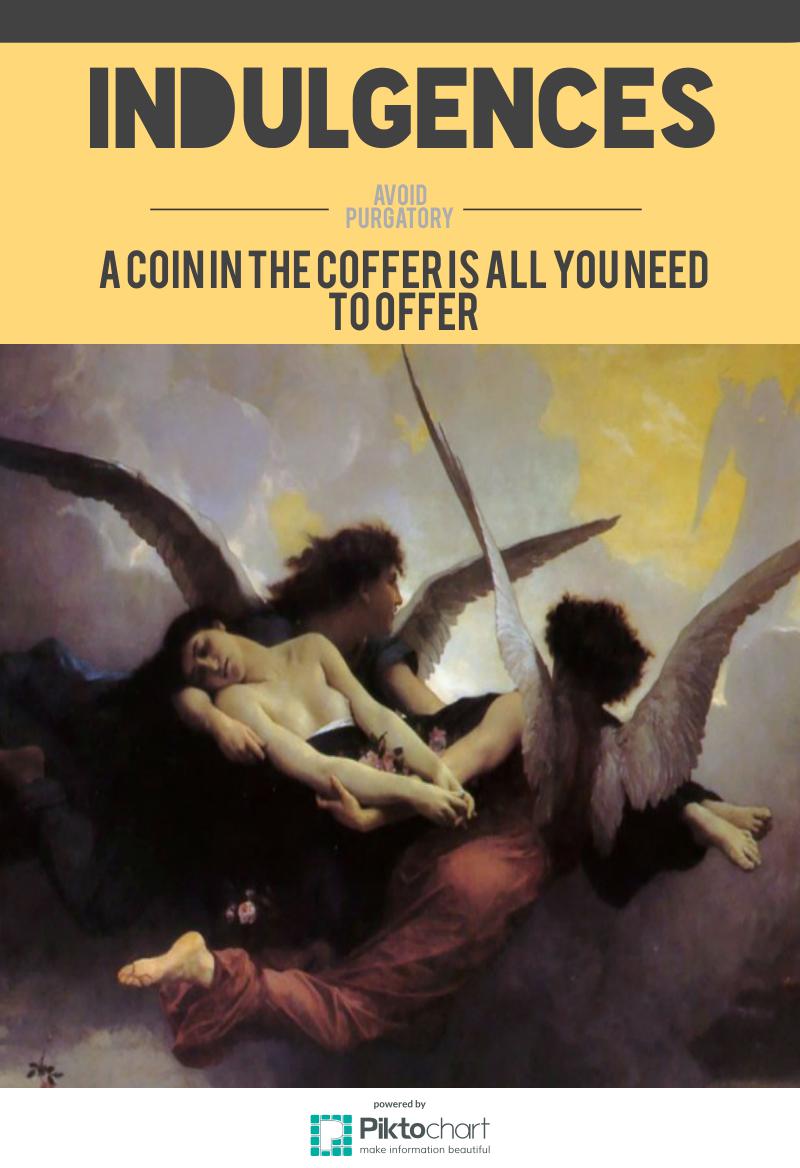
new-piktochart_21042621_f56627f14a225de14a4db83308adfee76ea3fb77.jpeg
One of my students made this poster for a proganda and protestantism mini-unit. This young man's poster is a Counter-Reformation response to Luther's Reformation. For the past week, I've been teaching about the Protestant Reformation to my 9th grade history class. This 500 year old intra-Christian debate that has been and the heart of religious strife up to this day is remote to my largely a-religious group of students. I've been emphasizing the revolutionary aspects of this religious reformation. Among other things, the Protestant Reformation was a social media revolution. We spoke about how woodcuts and the printing press let Protestant propagandists spread their message and that Catholic countered using the same media. After considering more recent propaganda and what makes an effective piece of propaganda, we looked at some of the more famous images of propaganda including the image below.  I then showed students some posters that looked right out of a Depression era poster, but instead they are posters for the Hunger Games series. This, by the way, thanks to Glen Wiebe was my inspiration for this simple assignment.

Most students used Piktochart to make the assignment, though one girl used Google Drawings. By the way, don't use the Piktochart app. It sadly just doesn't work that well. You'll want the full browser version. We spent two days on this assignment particular assignment. We finished with the assignment today and I asked students to share their poster and what message they were trying to send with it.

The project hopefully helps this religious movement and 16th century debate more relevant. The propaganda element forces students to distill their understanding and in that distilling, I think learning occurs. They're not going to remember Zwingli, Menno or Calvin. But I hope and expect they'll remember Luther, his 95 Thesis and how his protest spread so quickly.

Tuesday, January 19, 2016

Embedding Tech in a World Religion Project

Recently, I created a project that checked a lot of important boxes for me. I'd like to share it. But first, some context.

For starters, "digital natives" are a myth. I've heard it said that a person considers anything created after they are born to be technology. There is a certain truth to that. For kids, internet has been around longer than they've been alive. They consider its use natural.  I've also heard children born in this millennium are digital natives and that they intuitively know how to use technology. This is less true. Some kids love technology and they immerse themselves in it. These "super-users", however, are the exception. Most kids use tech more passively. I wanted to create an assignment that naturally incorporated technology into my school's traditional history curriculum. (I don't use "traditional" as a pejorative. I simply describe it as it is.)

Still in my first year as a technology integration specialist, I spend a good bit of time looking to see who is "doing" technology well. One school doing it well is +New Tech High School in Coppell, TX. Inspired by a science assignment from this school, I built a history assignment which required tech use to promote tech literacy. This was central to the assignment.

I also hoped to give students real choice (see my recent blog post). So I originally built the project to have 5 assignments with students choosing two of them. Within our department, we reduced the assignment to giving three choices and having students choose one.

This project serves as a culminating project for a months' long study of major world religions. It is not atypical for teens to dismiss religion. The teen years are a time when many question the beliefs with which they were raised. As we present these world religions, we present their religious texts, histories, and beliefs.  Yet, when religion is explained ONLY by its origins, beliefs, and customs one can simply view religion to be just that, a collection of goofy beliefs and strange practices. Beliefs and practices by themselves do not capture what millions and even billions of religious people get from their religion. Religion is a lived experience, an "inside job". This article helped shaped my thinking as I created this assignment.  I hoped the project would help students look within to see how religion and belief manifest themselves in their own lives. I also hoped that students would draw on some of the other belief systems they have been exposed to as they considered what they themselves believe.

Several years ago, PBS revived a series from the 1950's called This I Believe. Many began to post their own This I Believe podcasts to PBS' site. I thought this to be a great tool to foster the look within that I so wanted the students to do.

Finally, I wanted the audience for the project to be greater than just me. I had students update their blogs or build new and better ones (blogger, googlesites, and bulbapp) so that their projects could be posted in them. I will also encourage students to submit their podcasts to This I Believe.

Here is the assignment in its final iteration.

Featured Post

Prezi Video

 Remember Prezi? Once upon a time it was all rage for students. I see very few students use this tool any longer. Prezi is back, though, wit...